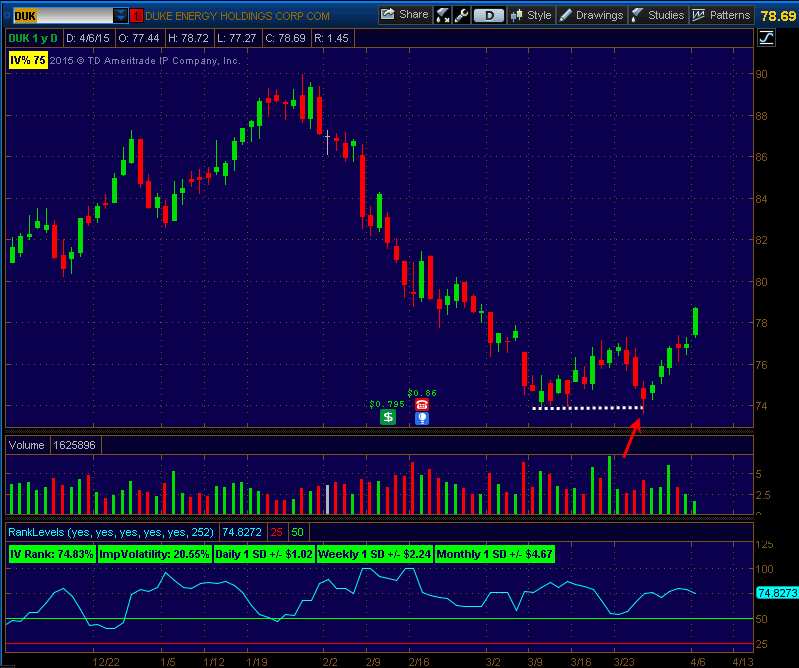
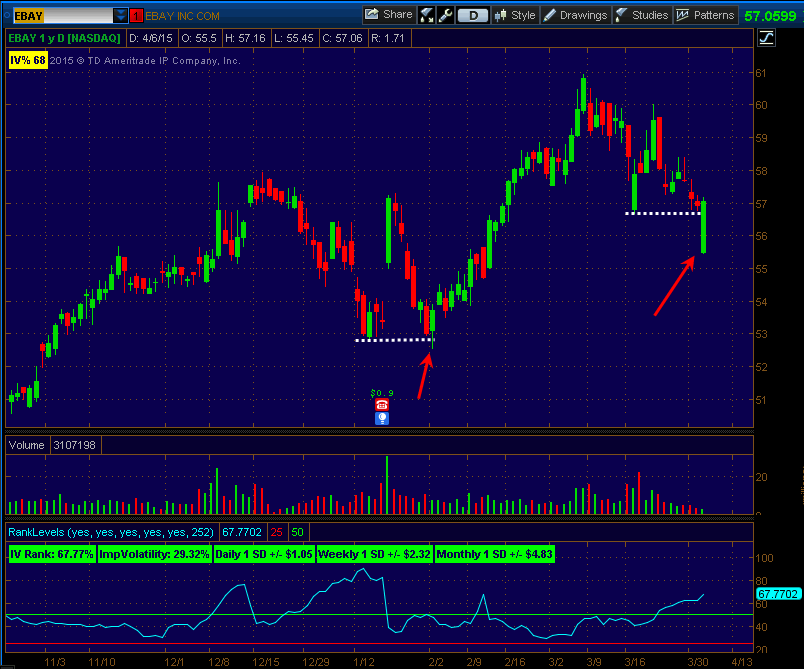
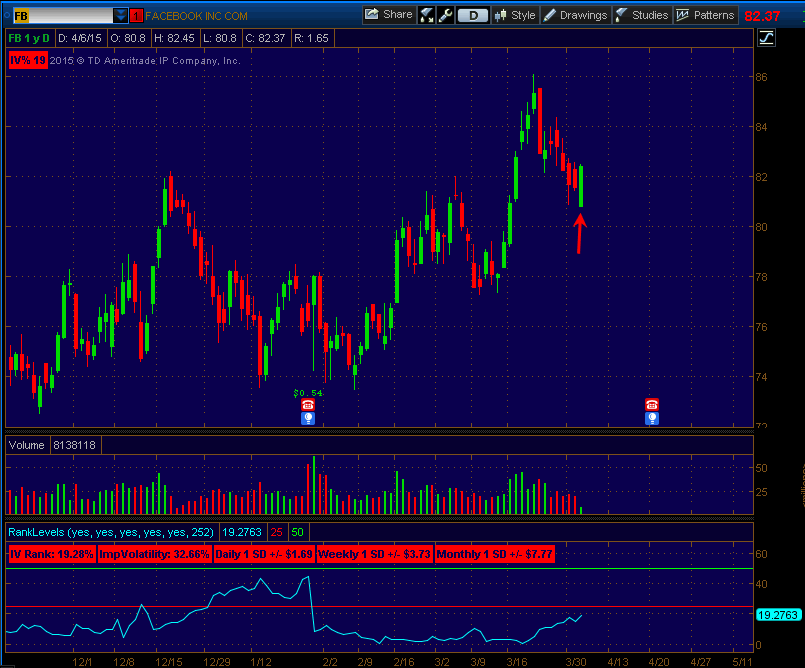
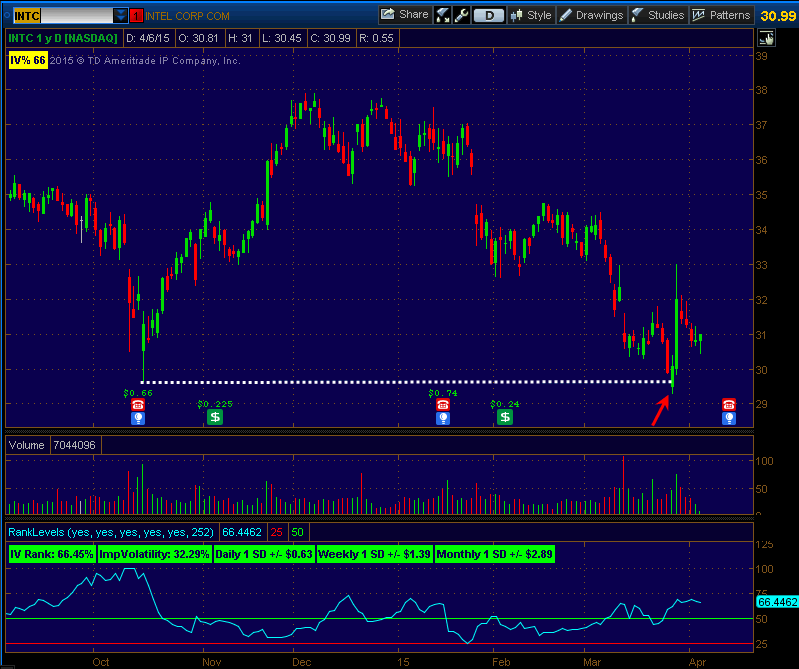
 The shake-out bar is a frequent occurrence in the market as prices quickly spike lower – often only for minutes or hours – and then promptly rebound and erase the deficit, only to never look back.
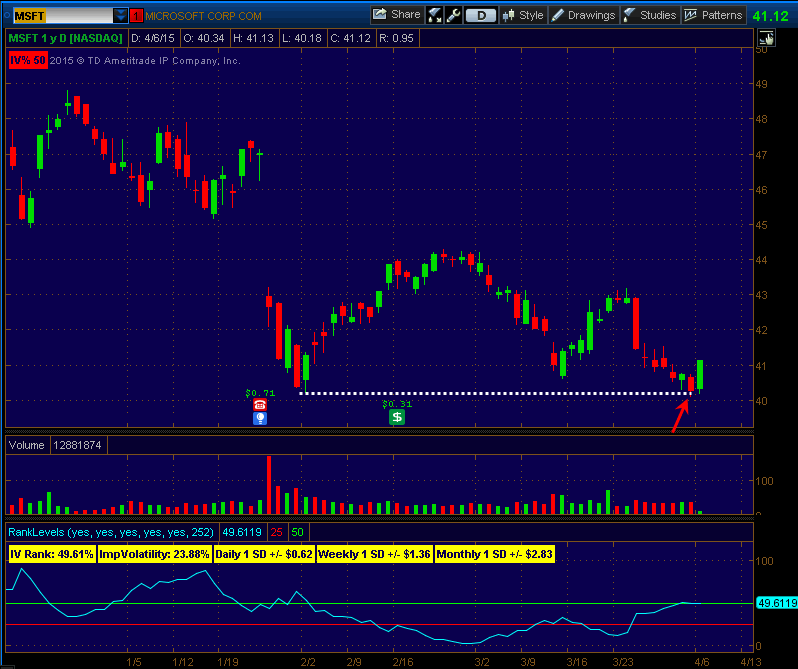
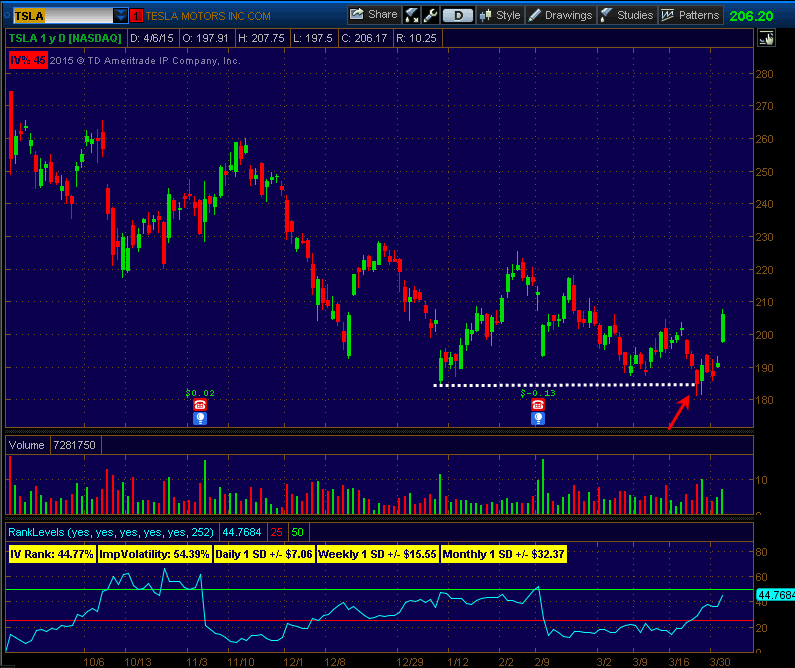
Some shake-outs take place at the end of a short-term pullback as price reaches a new correction low then finishes green. Others might occur with a temporary break of support, only to reclaim it almost immediately.
A shake-out bar is really a test of sorts to see if lower prices will trigger more selling, or instead invite bids. There’s no telling which it will be when price is making that downside move, but once there’s evidence of an upside reversal, the picture certainly changes. If you’ve been waiting for an entry point and you see this happen, it can provide you with one.
Here are a few examples of both pullback and breakdown shake-out bars, including DUK, EBAY, FB, INTC, MSFT, and TSLA:
Fair warning:
If you like to maintain a stop on your positions, then the shake-out bar might get you.
That being said, here are a few possible solutions that can help avoid getting headfaked:
1. I have noticed though that many of these take place early in the session, so activating your stop order only after a designated time is one way you might avoid being victimized by the shake-out. You might, for example, avoid the opening 15 minutes and maintain a hard stop at all other times.
2. Another way is to require a close below your get-out zone, meaning that you’d exit at the end of the day when it’s clear that price is going to finish beneath that level. This is a relative of the previous example, but a different way to do it. It might mean an inferior exit in the case of a downside trend day, but the trade-off is that those downside tests and immediate recoveries wouldn’t take you out.
3. Still another route to go might be to require two bars beneath that level. This can provide greater certainty of a breakdown, but again at a potentially greater expense (lower exit). It’s like waiting for upside continuation after a breakout before buying, in that it can help avoid some headfakes but will always result in a higher buy point, so it is certainly a trade-off.
This isn’t by any means the full extent of your choices, but it’s a start. If you’re tired of the knee-jerk dips and rips that leave you feeling flushed out of a good position unnecessarily, it’s time to consider some new approaches.
Jeff
Leave a Reply